In 2023, I learned about dopamine, neuroplasticity, and how our brains get hijacked by designed-for-engagement apps. I wasn’t just reading about it; I was living it. I kept a daily checklist and committed to an eight-week rewiring experiment on myself. I quit social media. I stopped binge-watching. I changed what I ate. I moved my body every day. I picked up a skill that actually challenged me.
So I thought: if this worked for me, why wouldn’t it work for the 5,000 people living in my community?
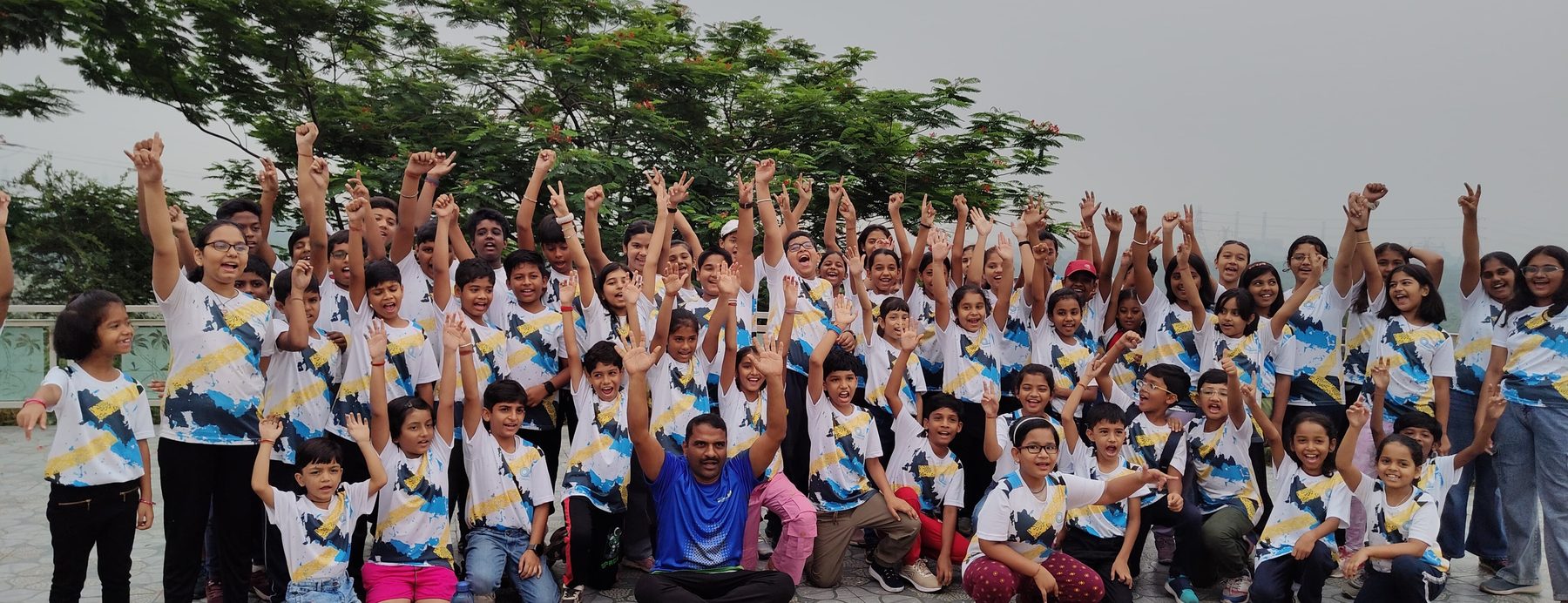
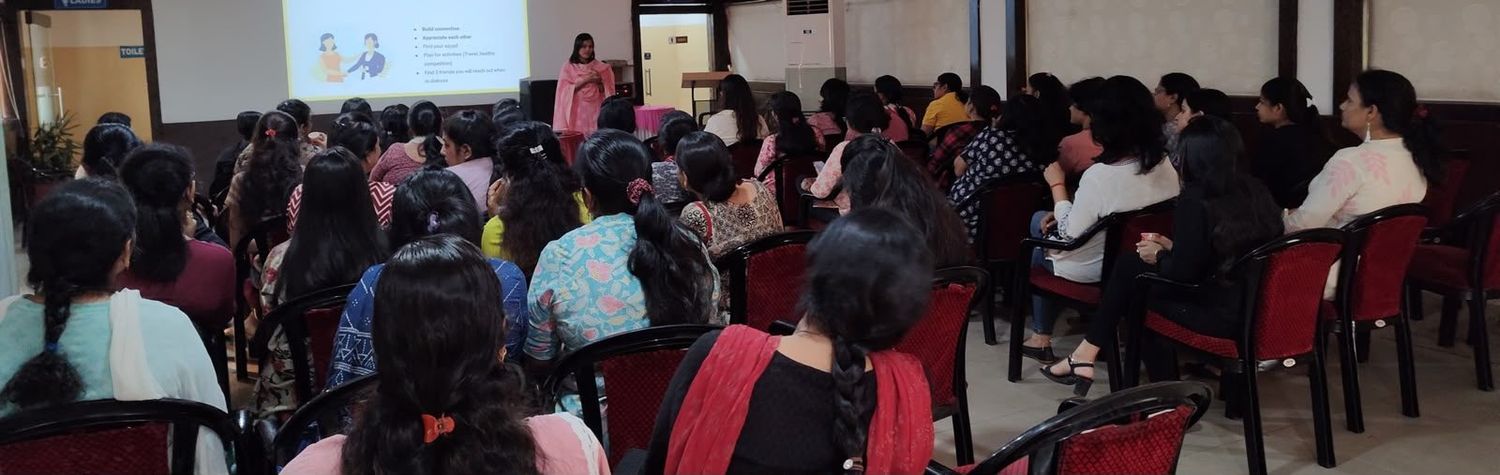
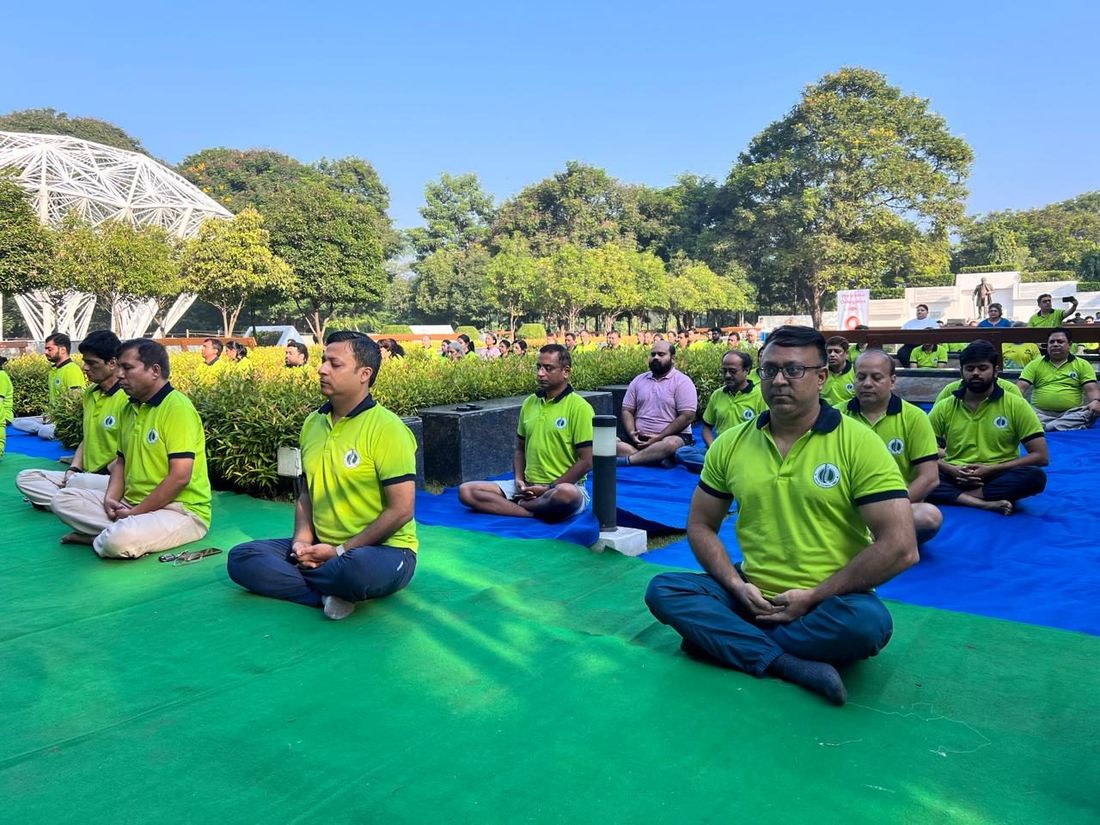
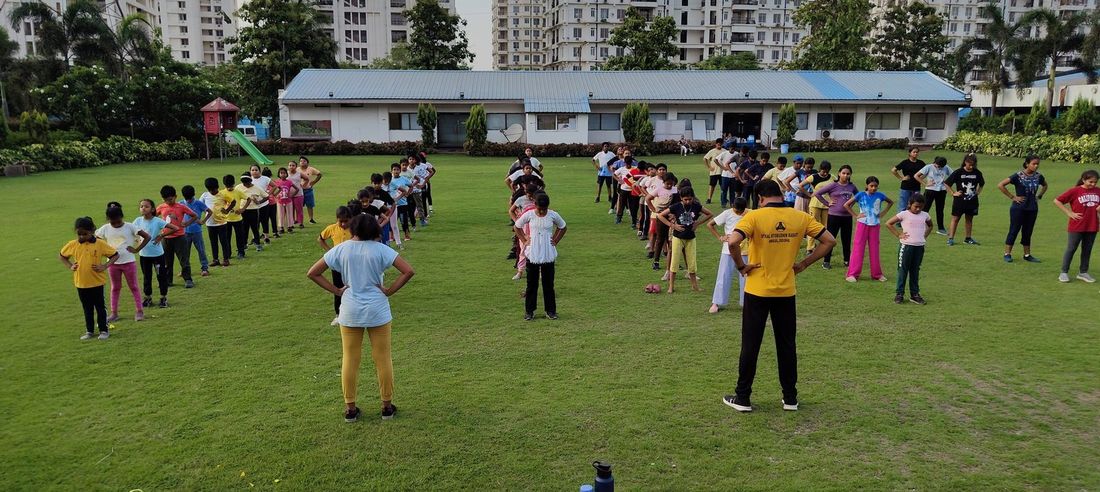
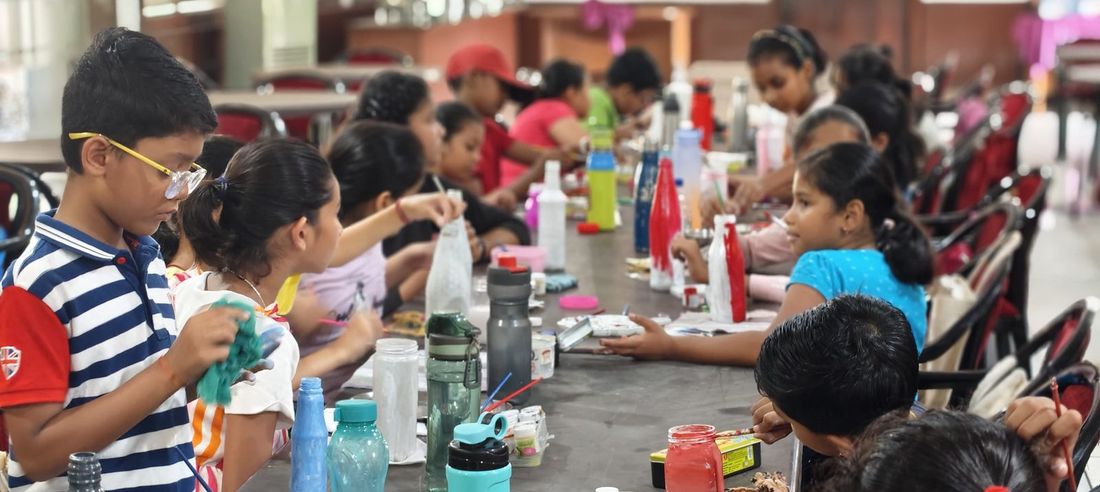
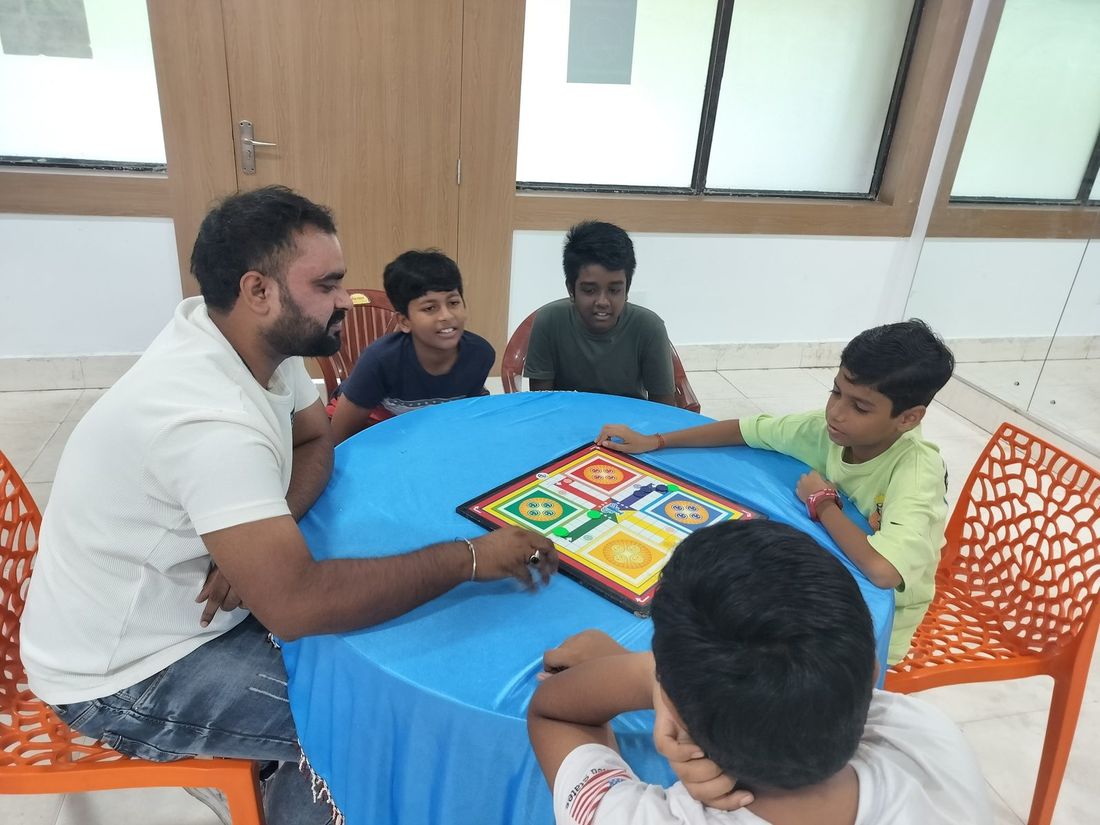
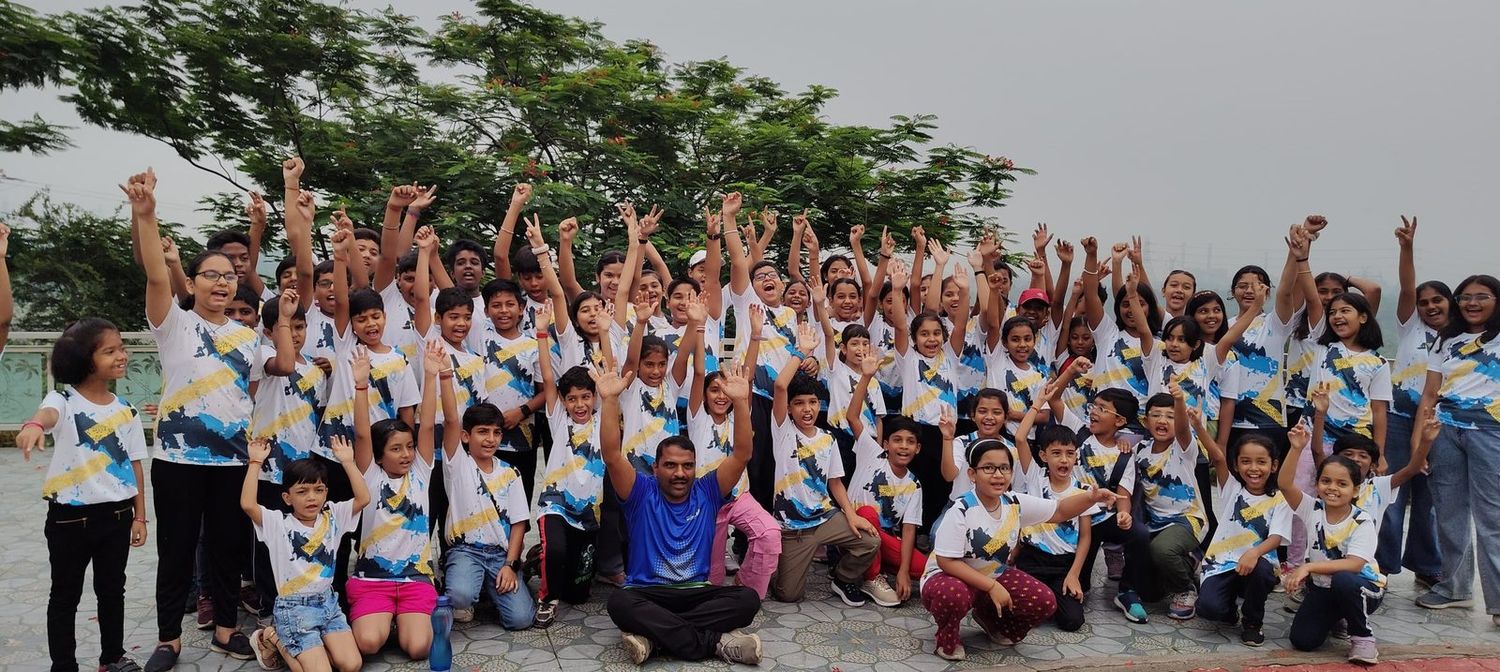
In November 2024, we started. The first group of twenty-four joined and saw the same results. Word spread, and more people kept joining. Today, around 1,600 people have enrolled and over 1,100 have completed all eight weeks and earned their certificate. A team of eleven now runs the seminars, webinars, and workshops.
In a sample of 120 participants, average phone screen time fell from about 5 hours a day to under 2, based on their phones’ screen-time reports. In February 2026, the program was recognized with a Wellness Champion Award.